

31/08/2026
Farmer Field Schools advance innovation across Ghana’s Living Labs
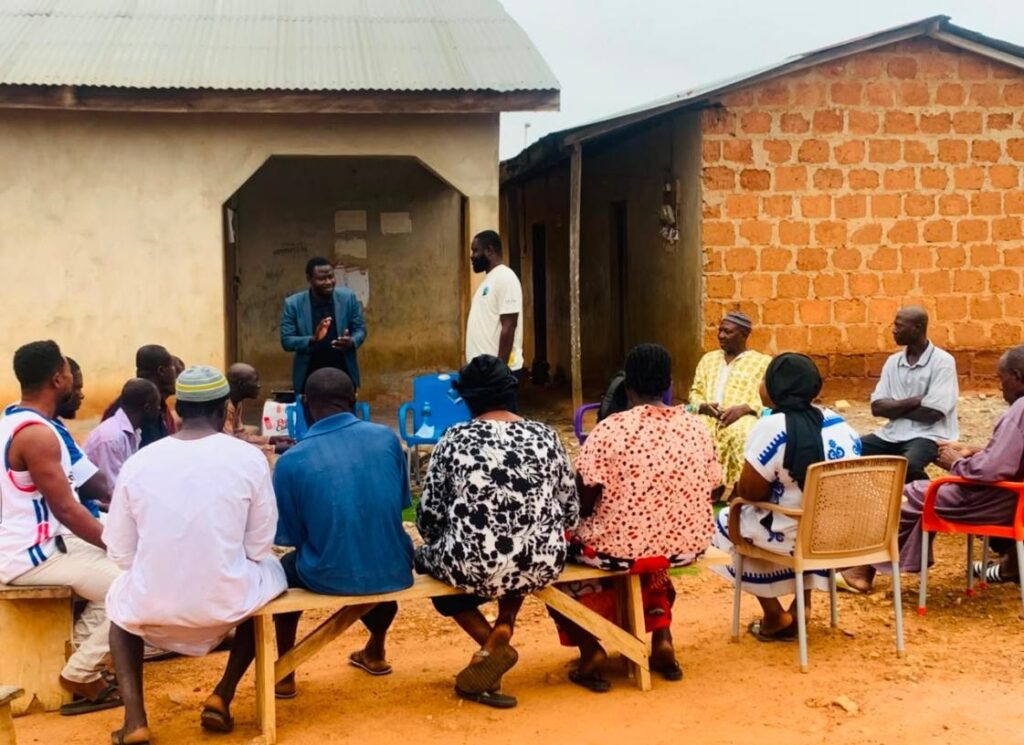
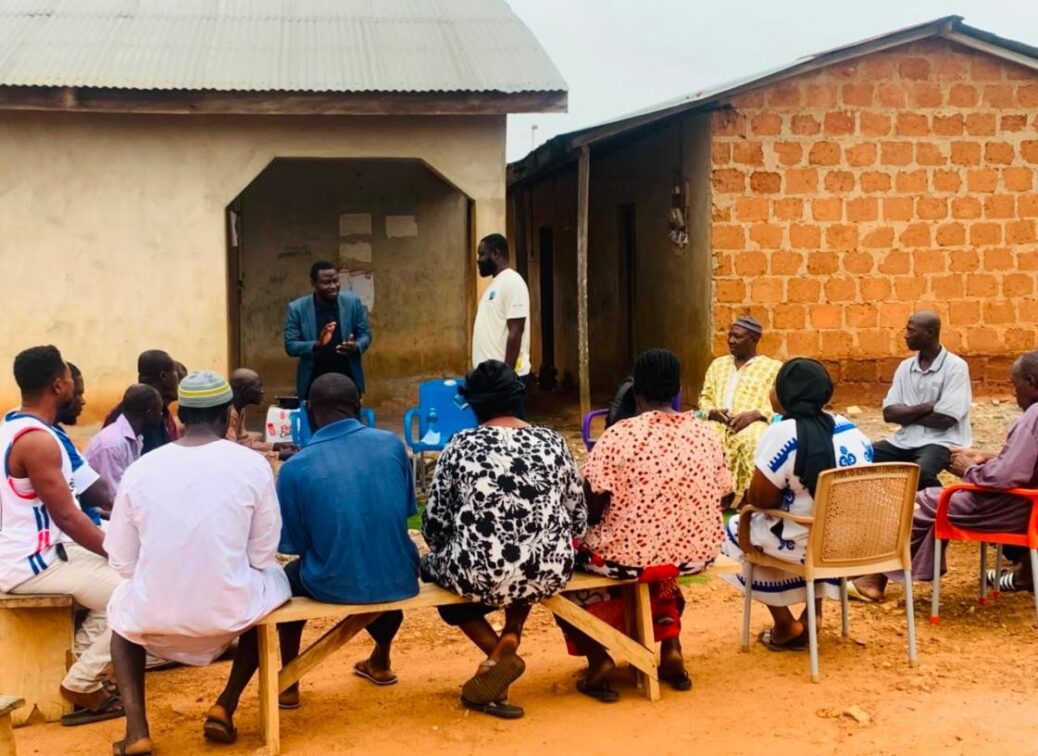
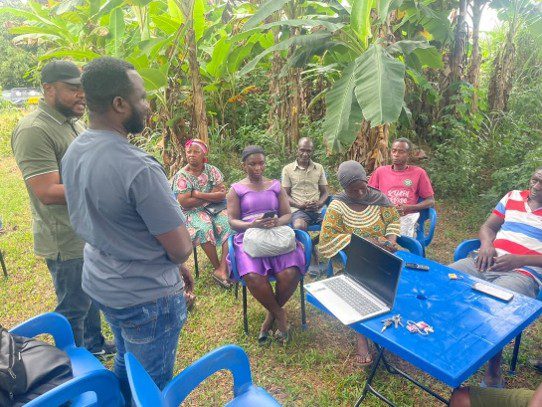
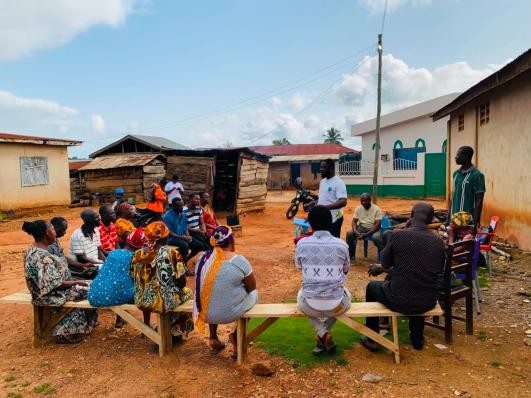
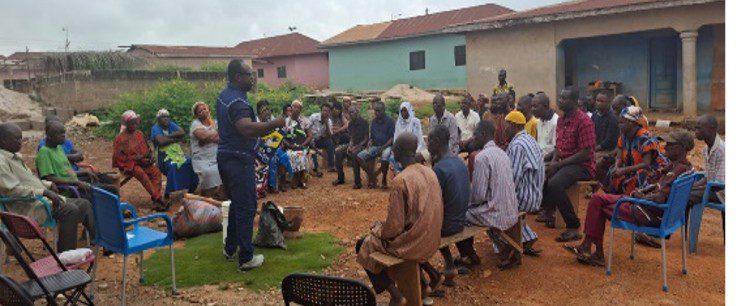
GALILEO has launched Farmer Field School activities across its three Living Labs in Ghana, supporting cocoa farmers in testing locally selected innovations and strengthening knowledge sharing and mutual learning.
Preparing the Farmer Field School activities
Preparatory activities included identifying suitable innovations, selecting participating communities, developing training modules, selecting resource persons and cocoa farmers, preparing a timetable, and implementing the planned activities.
The innovations were selected during a multi actor Scenario Game Workshop held in January 2026. These included organic pesticide production for the Sefwi Juabeso Goaso Living Lab, field mushroom production for the Aponoapono Suhum Living Lab, and beekeeping for the Assin Fosu New Edubiase Living Lab.
Trials were planned for six farms in each Living Lab, with cocoa farmers volunteering to host them. Three main training modules covering ecology, agronomy, including post harvest practices, and economics were developed by researchers from the University of Ghana and KKFU field workers. Each module included four submodules, while summary notes were prepared for the resource persons. Nine resource persons were selected, including the three GALILEO PhD scholars.
The first phase of knowledge sharing through the Farmer Field Schools was scheduled from 15 June to 31 August 2026. Training was conducted concurrently in one community in each Living Lab, with 20 participants per community. The selected communities were Asarekrom in the Assin Fosu New Edubiase Living Lab, Dome in the Aponoapono Suhum Living Lab, and Mehame in the Sefwi Juabeso Goaso Living Lab.
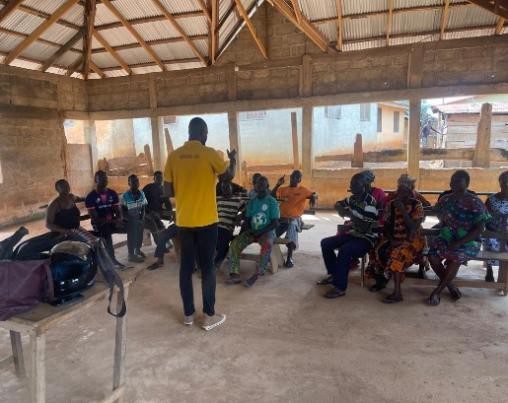
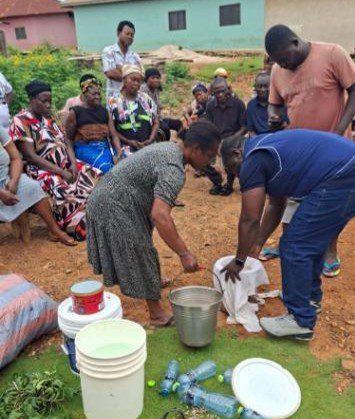
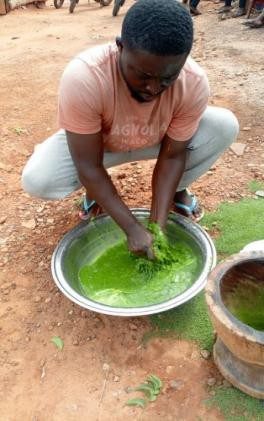
Progress achieved
The first phase of activities was completed across all three Living Labs on 21 August 2026. Review meetings, mutual learning sessions involving Farmer Field School participants and multi actor groups, and certificate award ceremonies were scheduled for 25 August in Assin Fosu New Edubiase, 26 August in Sefwi Juabeso Goaso, and 27 August in Aponoapono Suhum.
One trial was established in the Goaso Living Lab in July, while another was scheduled to be established in New Edubiase on 25 August. Farmer Field School participants were also scheduled to receive training on market access for collected wild mushrooms on 26 August.
Challenges
The field mushroom production trials in the Aponoapono Suhum Living Lab could not be established during the rainy season. They have therefore been rescheduled for the dry season, from November 2026 to February 2027.
Next steps
Following the completion of the first phase of knowledge sharing and mutual learning activities, the second phase of Farmer Field School training will take place in another community within each Living Lab from 14 September to 30 November 2026.
All project activities will be published on the project’s social media accounts. Stay tuned!