

12/02/2026
GALILEO 3rd project meeting: advancing joint learning and field-based insights for sustainable agroforestry
The GALILEO project, funded by the European Union’s Horizon Europe programme under Grant Agreement No. 101181623, held its 3rd project meeting from 27 to 29 January 2026 in Accra, Ghana, hosted by the International Institute of Tropical Agriculture and the University of Ghana. Partners from Africa and Europe gathered to review progress, strengthen collaboration, and advance the next phase of work towards resilient and inclusive agroforestry systems in Sub Saharan Africa.
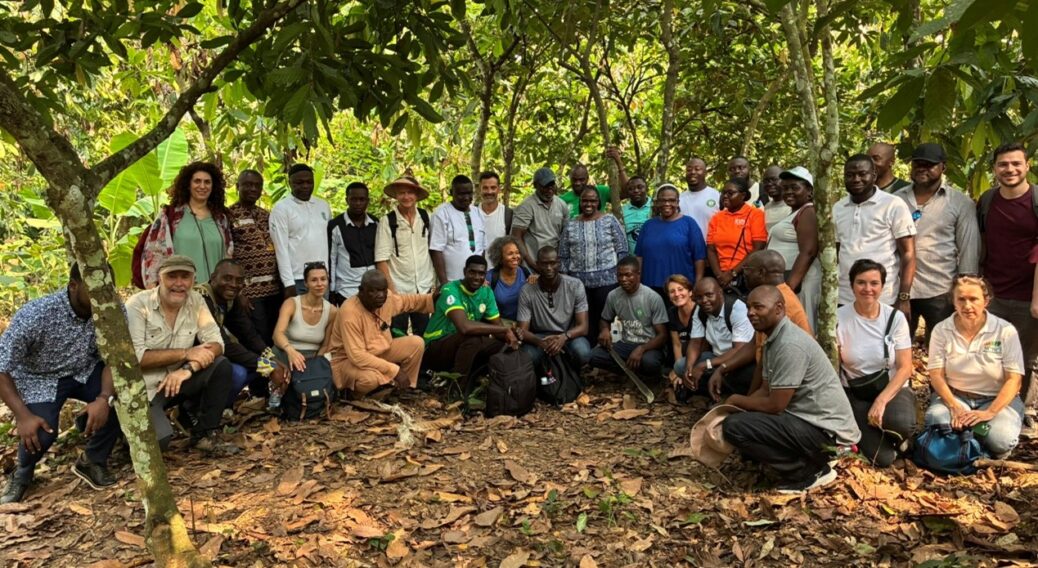
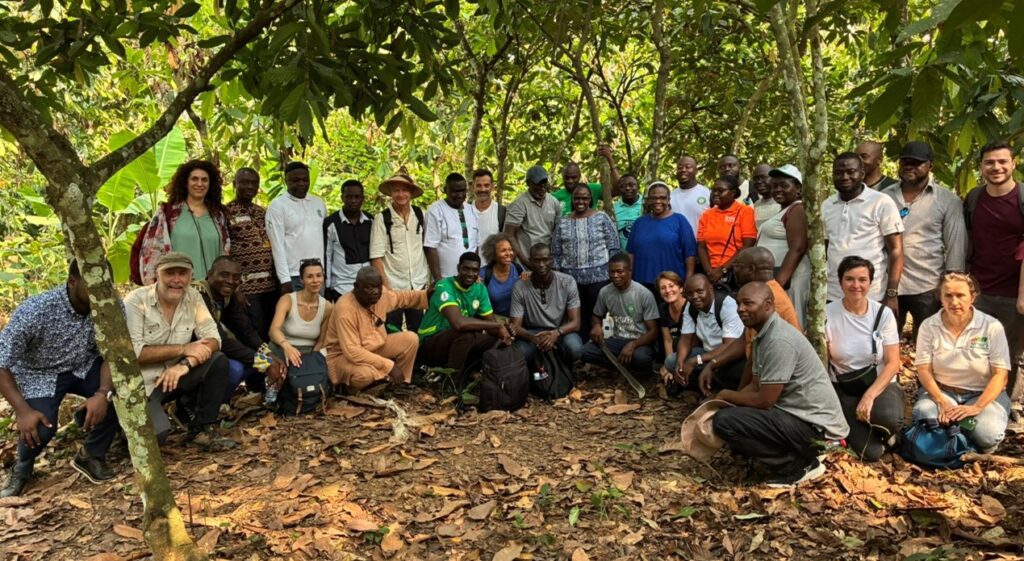
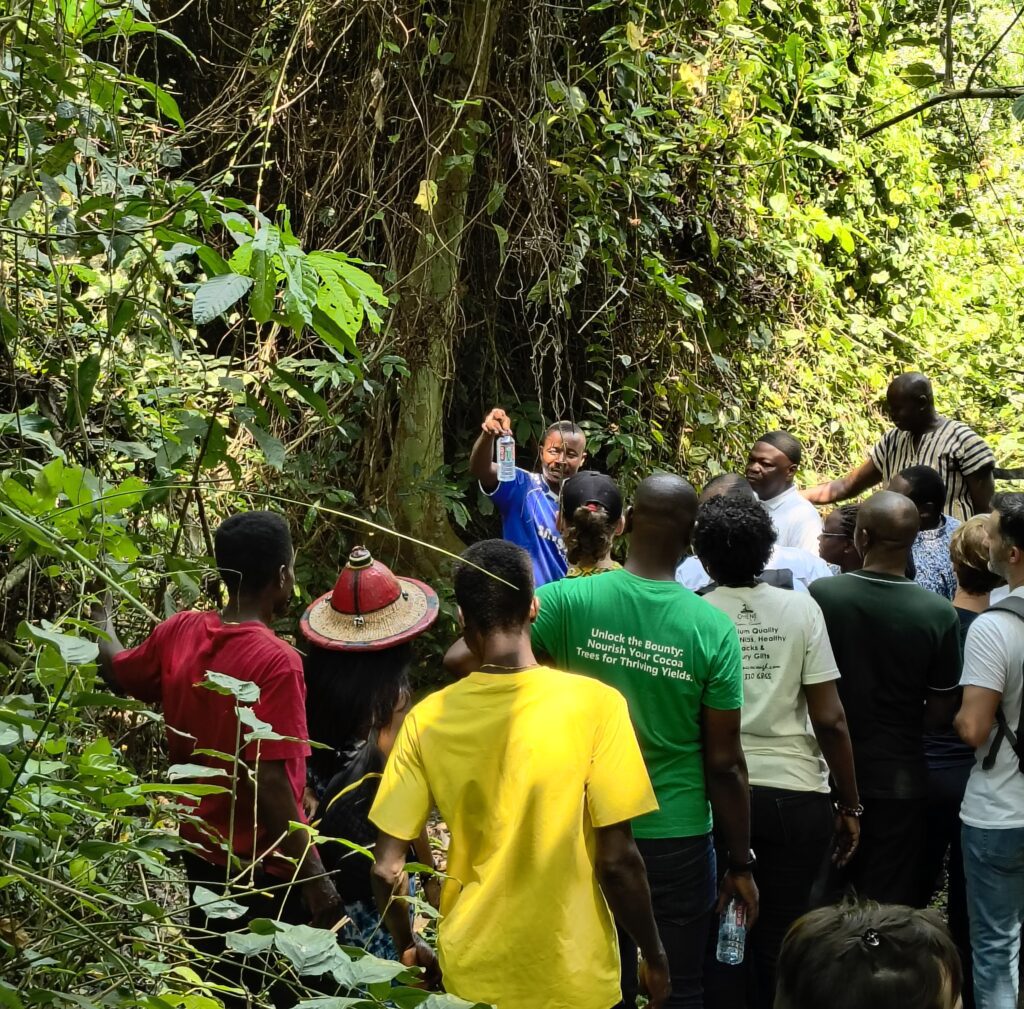
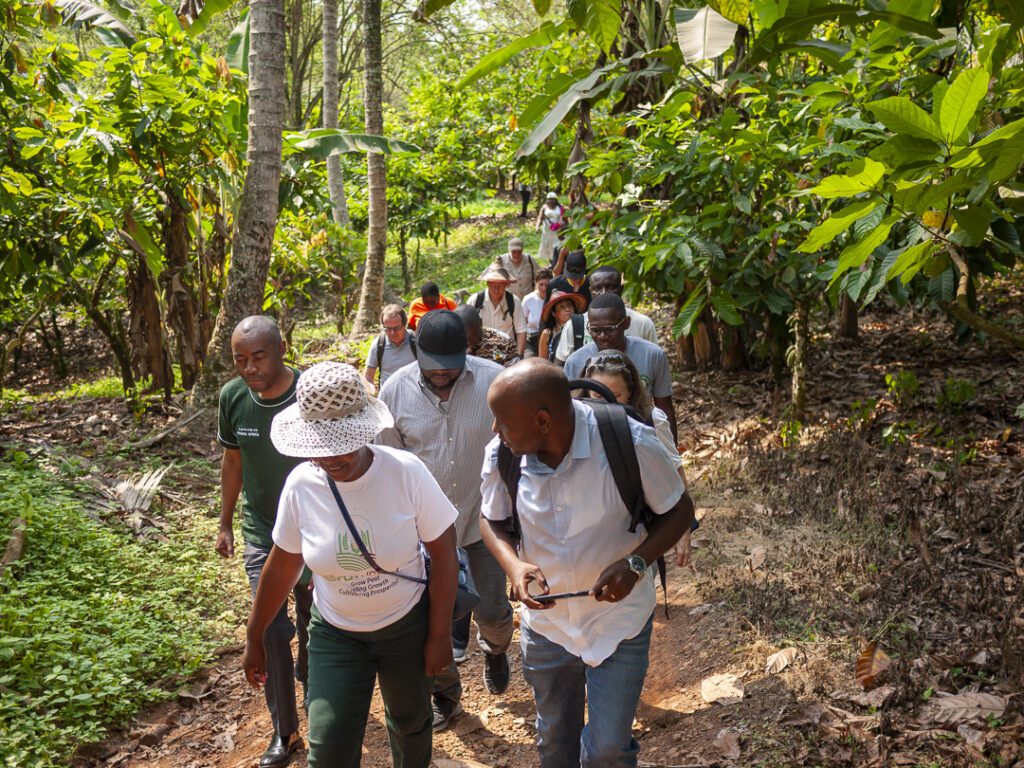
The first day was dedicated to field-based activities, giving partners the opportunity to witness agroforestry in action. The visit started at the Oheneba cocoa farms in the Eastern Region of Ghana, where partners observed diversified cocoa agroforestry production systems combining cocoa with shade trees and food crops, and discussed farm management practices, productivity challenges, and pest pressure directly with farmers. This was followed by a visit to the GALILEO Living Lab in Aponoapono–Suhum and a fruitful exchange with a farmer actively engaged in the project’s co-creation activities. The day concluded with a visit to the facilities of Kuapa Kokoo Limited, where partners were introduced to cocoa aggregation, quality control, traceability, and distribution processes along the value chain. These visits enabled direct exchanges with key cocoa sector actors, grounding project discussions in real agroforestry practices and local realities.
During the following two days, the 3rd project meeting took place and focused on project coordination, technical progress, and next implementation actions. The meeting was opened by Professor Ankrah Daniel Adu, Ghana country leader, who welcomed participants and presented the role of the University of Ghana. We were also privileged to welcome Patrice Djamen from CIRAD, a member of the GALILEO Advisory Board, to the meeting, alongside Prince Pobee, who joined the project activities representing our local collaborator, the Cocoa Research Institute of Ghana (CRIG).
Country reports from Senegal, Kenya, Ghana, and Cameroon reported on recent activities and key milestones in the Living Labs. Partners shared progress on stakeholder engagement and co-creation activities, while also discussing key local challenges, including pests, climate variability, land tenure issues, and farmer participation. Differences and commonalities across countries were highlighted to support better alignment in the next phase.
Work package discussions focused on the transition from planning to coordinated implementation. Partners reviewed progress on co-creation activities, farmer selection, and trial preparation for the Living Lab field experiments. Updates were shared on baseline surveys, socio economic analysis, and the preparation of environmental, biodiversity, and spatial assessments. Additionally, dissemination and communication activities were discussed, including actions to increase the visibility of GALILEO through our social media channels. The continuous coordination activities, timely financial reporting, and full ethics compliance was also emphasised to support effective implementation in the next phase of the project.
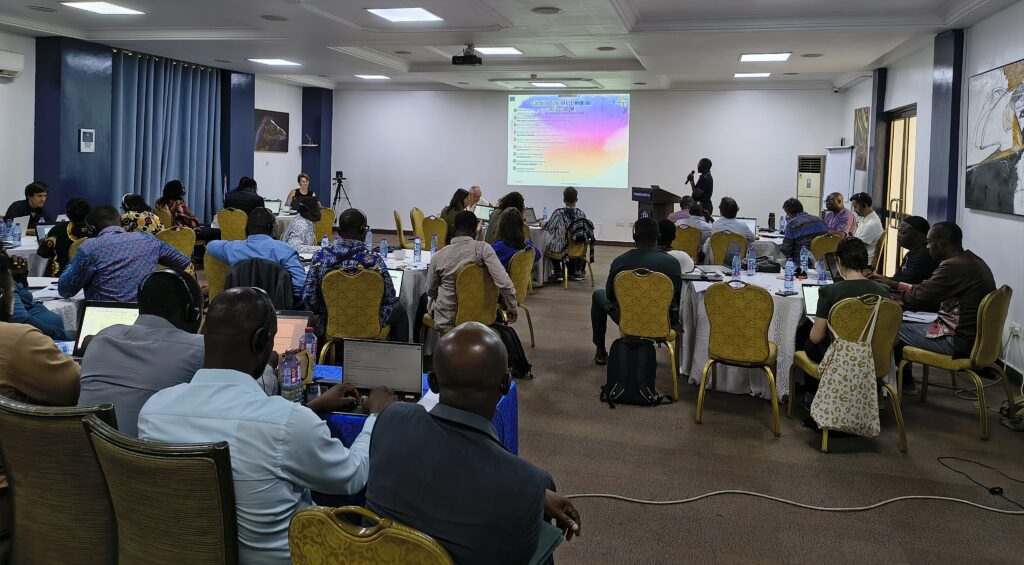
The meeting also featured short and dynamic pitches by GALILEO PhD students. They showcased their research topics, shared early progress, and highlighted how their work supports the project goals and Living Lab activities.
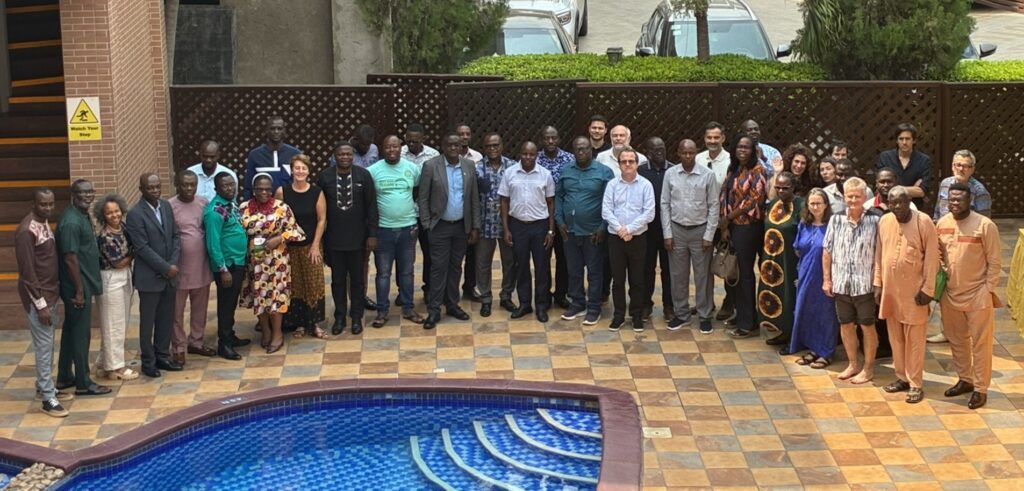
The meeting concluded with a strong sense of shared commitment and clear direction. For the upcoming semester, priorities include finalising the selection of innovator, target, and control farmers, while also completing the analysis and reporting of baseline surveys. Furthermore, work will advance on spatial stratification, indicator selection, and ethics approvals, while coordination between field implementation, data collection, and dissemination activities will be strengthened to ensure timely and coherent progress. Finally, the consortium agreed to meet again physically in one year’s time, with the next project meeting planned to take place in Kenya in early 2027. Until then, partners will continue building on the strong momentum and collaboration established during this meeting.
For more updates, follow our progress and stay tuned.